The digital asset landscape is witnessing significant shifts this week, with a traditional finance titan making an unexpected pivot and a prominent privacy coin achieving a crucial technical milestone. Vanguard, a behemoth in asset management, is signaling a strategic embrace of cryptocurrencies, while Zcash (ZEC) has seen a notable surge following progress on its next-generation privacy and scaling overhaul.
Vanguard's Historic U-Turn on Digital Assets
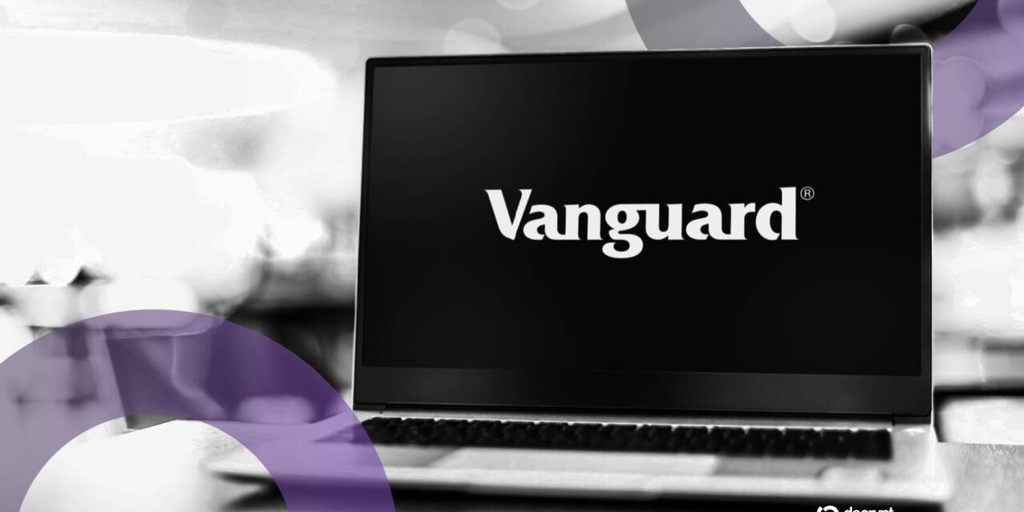
In a move that underscores the undeniable mainstreaming of digital assets, Vanguard, which oversees approximately $11 trillion in assets, has initiated a search for its first-ever "Head of Digital Assets." This development marks a profound shift for a firm famously known for its deep skepticism towards the cryptocurrency space. For years, Vanguard maintained a firm stance, notably refusing to allow its brokerage clients to trade spot Bitcoin exchange-traded funds (ETFs) when competitors like BlackRock, Fidelity, and Franklin Templeton launched theirs in early 2024. The firm's reasoning was clear: Bitcoin was deemed an "immature asset class" fundamentally misaligned with its long-term investment philosophy.
However, cracks in this steadfast resistance began to appear last December when Vanguard cautiously started permitting its clients to access third-party crypto funds through its brokerage platform. The new executive role is tasked with charting a multi-year strategy encompassing critical areas such as tokenization, stablecoins, digital asset custody, and blockchain settlement, in addition to engaging with regulatory bodies. This strategic hiring is not merely a softening of its stance; it represents a proactive step into a domain it once vocally shunned, signaling to the broader market that institutional adoption of digital assets is now an established reality, even for the most conservative players in traditional finance.
Zcash's Resurgence: Tackling Counterfeiting and Scaling Privacy
Meanwhile, the privacy-focused cryptocurrency Zcash experienced a significant uptick, climbing over 10% on Tuesday and briefly surpassing the $500 mark. The rally was fueled by optimistic reports from its development team regarding a breakthrough in proving the integrity of its upcoming "Ironwood" shielded pool. This crucial progress addresses a fundamental trust issue that has previously plagued the coin.
The catalyst for this renewed confidence is "Project Tachyon," Zcash's ambitious overhaul designed to enhance both scalability and privacy. A key concern emerged last June when a four-year-old "soundness issue," dubbed the "Orchard" bug, was disclosed. While patched swiftly and believed to have gone unexploited, Zcash's inherent privacy model made it impossible to cryptographically verify that no counterfeit coins were ever created, causing ZEC's value to plummet by over 40% in a short period. Founder Zooko Wilcox has now indicated that the team is close to formally proving that the new Ironwood shielded pool is free of such undetectable counterfeiting vulnerabilities.
Ironwood introduces a fresh shielded pool alongside a secure migration path, allowing users to move funds from Orchard while providing cryptographic assurance against hidden inflation. This upgrade is slated for deployment this month, with advanced AI-assisted verification significantly accelerating what was once a multi-year validation process into mere weeks. Beyond resolving past integrity concerns, Tachyon aims to propel Zcash's private transaction throughput to thousands per second, drawing parallels to Solana's Firedancer in terms of performance leap. Furthermore, it seeks to bolster quantum readiness by removing on-chain data that could be exploited by future quantum attackers, positioning Zcash at the forefront of privacy, scalability, and future-proof security.
Both developments highlight the dynamic evolution of the digital asset sector, from the institutional embrace of new asset classes to continuous innovation in foundational blockchain technology, addressing critical challenges of trust, performance, and security.