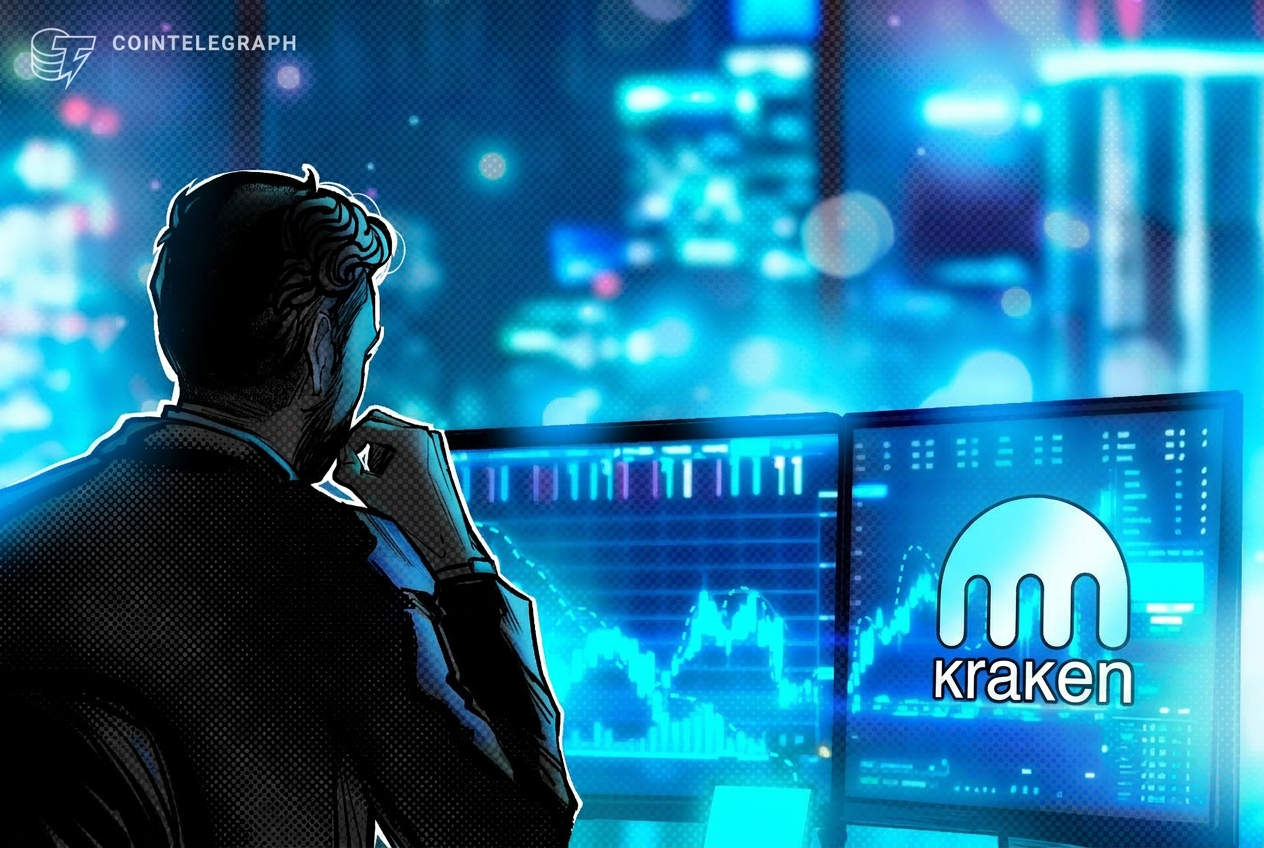
Kraken, a prominent name in the cryptocurrency exchange landscape, has unveiled a significant new feature designed to enhance capital efficiency for its users. In a move that further blurs the lines between traditional finance and the digital asset economy, eligible traders can now leverage their tokenized stock and ETF holdings as collateral for futures and margin trading. This innovation allows users to unlock liquidity from their existing investments without the need to liquidate these assets, marking a substantial step forward in asset utility within the crypto sphere.
The Mechanics of Unleashing Value
The new functionality initially supports a curated selection of 10 tokenized stocks and exchange-traded funds, including market giants like Apple, Nvidia, and Tesla, alongside popular broad-market ETFs such as the SPDR S&P 500 ETF and Invesco QQQ Trust. To manage risk effectively, Kraken has implemented a system of "collateral haircuts." This mechanism reduces the lending value of an asset based on its inherent volatility. For instance, broad-market ETFs benefit from the lowest haircut at 10%, reflecting their diversified and stable nature, while more volatile individual stocks like Strategy and Robinhood incur a higher 30% reduction.
Furthermore, the exchange has established specific collateral limits for each asset class. Broad-market ETFs can be capped at up to $1 million in collateral value, most individual stocks at $250,000, and niche assets like tokenized gold and Circle shares at $100,000. Kraken emphasizes that both these haircuts and limits will undergo periodic review, ensuring adaptability to market conditions.
Global Reach, Tailored Access
This innovative feature is strategically rolled out to eligible clients operating outside the United States, navigating the complex global regulatory landscape. Futures trading with tokenized stock collateral is available to users within the European Economic Area (EEA), while margin collateral support extends to other select jurisdictions beyond the EEA. This targeted deployment underscores Kraken's commitment to compliance while expanding its service offerings internationally.
A Broader Trend: Real-World Assets' Ascent
Kraken's latest initiative is not an isolated event but rather a significant contribution to the burgeoning movement of tokenized real-world assets (RWAs) in financial markets. This follows closely on the heels of Kraken's collaboration with Maple to establish an on-chain warehouse financing facility, aimed at bolstering institutional crypto lending. The broader industry trend sees blockchain-based securities increasingly being utilized as collateral, settlement assets, and foundational components for institutional lending frameworks.
Other key players are also actively pushing this frontier. Franklin Templeton and Binance, for example, have enabled institutions to use tokenized money market fund shares as trading collateral. BlackRock's tokenized US Treasury fund, BUIDL, has found acceptance as collateral on major platforms like Binance, Crypto.com, and Deribit. Even traditional finance stalwart Tradeweb recently demonstrated the real-time purchase and sale of a tokenized US Treasury, settled against tokenized cash on the Canton Network. The growing momentum is evident in market statistics: RWA.xyz reports that tokenized real-world assets now command roughly $32.6 billion in distributed value, with tokenized stocks alone surging from approximately $381 million to $2 billion within the past year.
Market Significance and Future Implications
This development by Kraken is profoundly significant. It provides a new avenue for capital efficiency, allowing traders to maintain exposure to their long-term equity investments while simultaneously engaging in short-term leveraged crypto positions. By broadening the scope of acceptable collateral beyond traditional crypto assets, Kraken enhances the attractiveness of its platform to a more diverse user base, potentially including those with significant traditional finance holdings looking for crypto exposure. It underscores the increasing sophistication and interconnectedness of the digital asset ecosystem with conventional financial instruments, paving the way for further innovation in hybrid finance models and solidifying the utility of tokenized assets in the global financial landscape.
Original Source: cointelegraph.com