

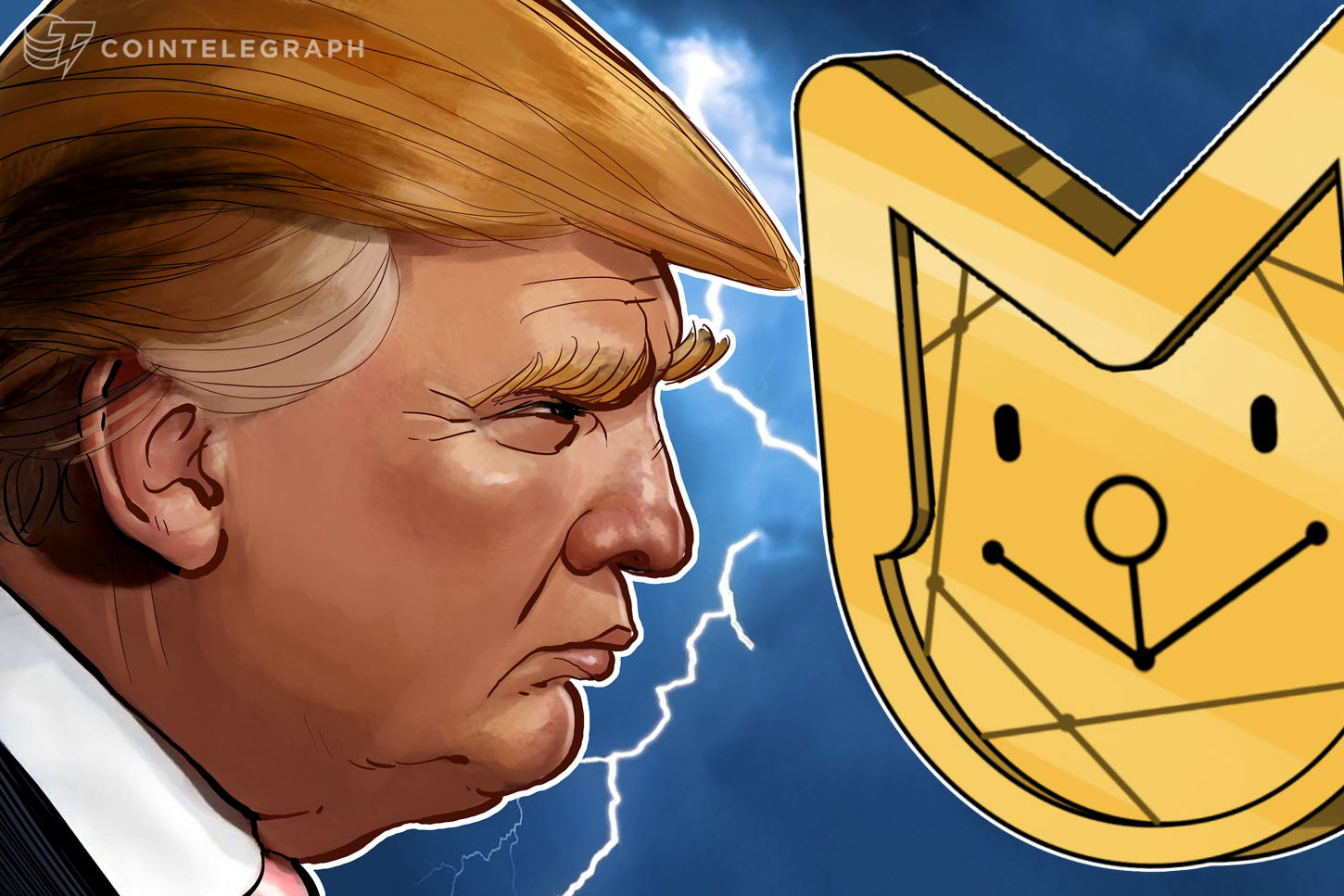
In a significant move poised to reshape the ethical landscape surrounding digital assets and public service, Senator Kirsten Gillibrand has unveiled a bold proposal aimed at preventing elected officials and their spouses from leveraging their positions to issue or endorse personal digital tokens, commonly known as memecoins.
The New York lawmaker, a key architect in ongoing efforts to establish a robust regulatory framework for digital assets, argues that such a prohibition is a "commonsense requirement" essential for maintaining public trust and safeguarding the integrity of the nascent crypto market.
The Core Proposal: Drawing a Line in the Digital Sand
Senator Gillibrand's initiative seeks to explicitly bar members of Congress, the President of the United States, and their spouses from creating, sponsoring, or promoting their own digital assets. This restriction directly addresses growing concerns about potential conflicts of interest and the appearance of impropriety, particularly in an era where digital currencies are rapidly gaining mainstream traction.
While the proposal specifically names the President and Congress, it notably does not extend to the Vice President or other extended family members of public officials, a point that may draw further scrutiny as the debate unfolds.
Background: The Trump Precedent and Ethical Quandaries
The impetus behind Gillibrand's push is undeniably linked to recent high-profile cases, most notably those involving former President Donald Trump and his family. The senator explicitly referenced memecoins associated with the former President and First Lady Melania Trump, highlighting how public figures can capitalize on their status in the digital asset space.
During his presidency, Mr. Trump reportedly accrued substantial earnings—around $1.4 billion—from various crypto ventures, a period during which he was also in a unique position to influence critical digital asset legislation, including the "Guiding and Establishing National Innovation for US Stablecoins Act" (GENIUS Act) and the "Digital Asset Market Clarity Act" (CLARITY Act). This confluence of personal financial gain and legislative influence has fueled accusations of self-dealing and ethical lapses, which Trump has consistently denied, stating his actions were "nothing illegal" and "nothing wrong."
Gillibrand previously characterized Trump's memecoin activities as "likely illegal based on current law" and expressed concerns that fully addressing his ethical entanglements could unduly complicate broader legislative efforts.
Legislative Landscape and Market Significance
This ethics-focused amendment arrives amidst ongoing, delicate negotiations for comprehensive digital asset legislation, particularly the CLARITY Act. Gillibrand has publicly stated that ethical considerations and the prevention of public officials "getting rich off of these industries because of their insider status" are paramount and must be resolved before any bill can secure broad support and pass through the Senate.
The broader market implications of this proposal are significant. It underscores a growing awareness among lawmakers of the unique ethical challenges posed by digital assets, especially those with speculative, meme-driven valuations. By seeking to mitigate potential conflicts of interest, the proposal aims to bolster consumer protections, combat illicit finance, and foster a more equitable and trustworthy environment for economic opportunity within the burgeoning digital economy. Its success will not only define the future conduct of public officials in the crypto space but also send a clear message about the regulatory intent for integrity and transparency across the entire digital asset ecosystem.
Original Source: cointelegraph.com